
Bathroom Design Series - Part 2: Design is in the details
When designing a bathroom, it’s often the big decisions that take centre stage: tiles, layout, finishes. But in my experience, it’s the smaller, often invisible choices that truly elevate the space and make it feel considered, calm and enduring.
This second post in my Bathroom Design Series focuses on those details. The ones that require a bit more thought upfront, but pay off in everyday experience.
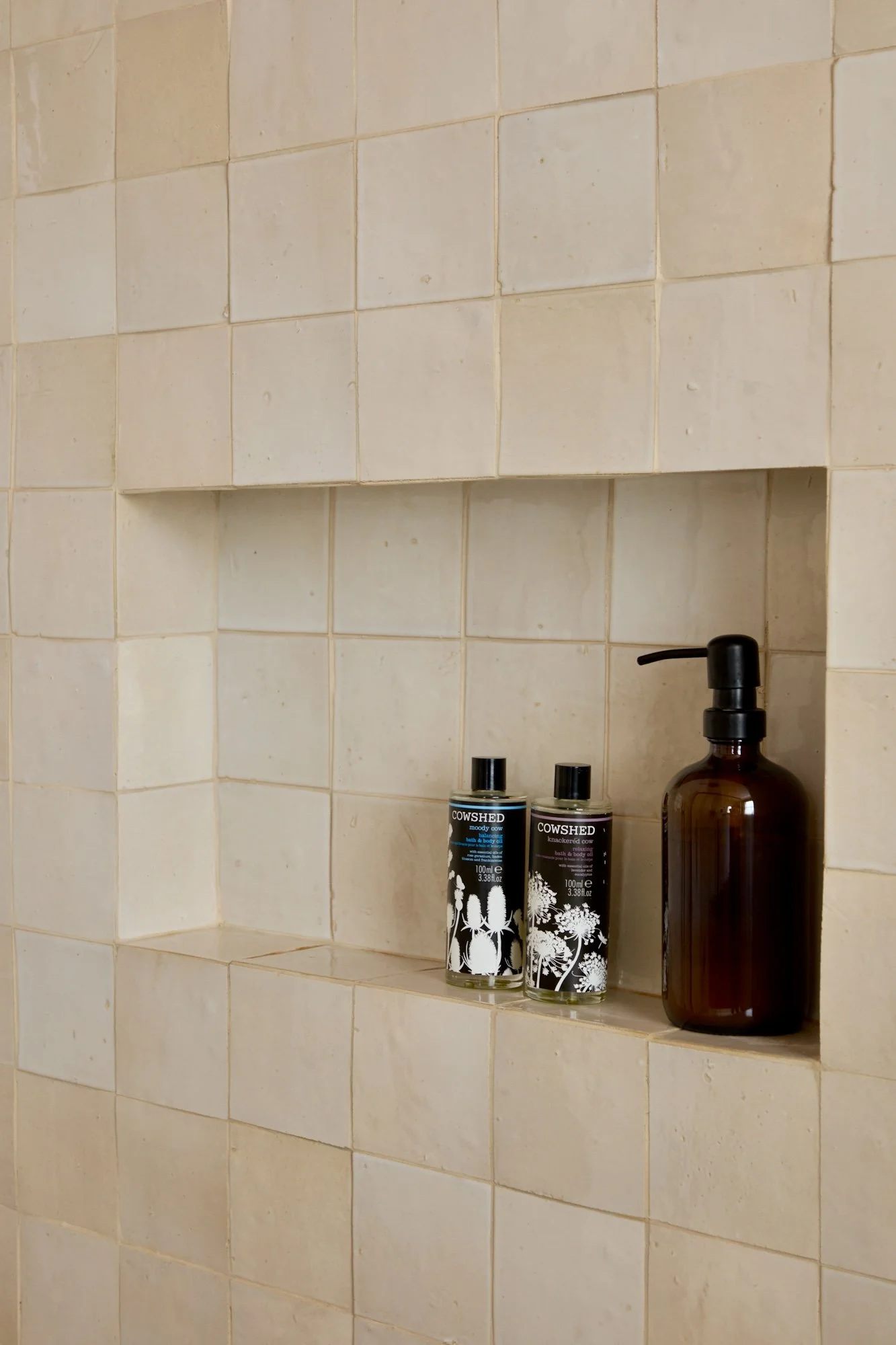
Mitred edges for shower niches
A shower niche is now almost expected, the finish of the edge detail makes all the difference.
Mitred tile edges, rather than visible trims, create a seamless, architectural look. The niche becomes part of the wall rather than an applied element. This approach requires precision from both designer and tiler, but the result feels refined and timeless.
It’s one of those details you might not consciously notice, until it’s not done well.
Control placement in the shower
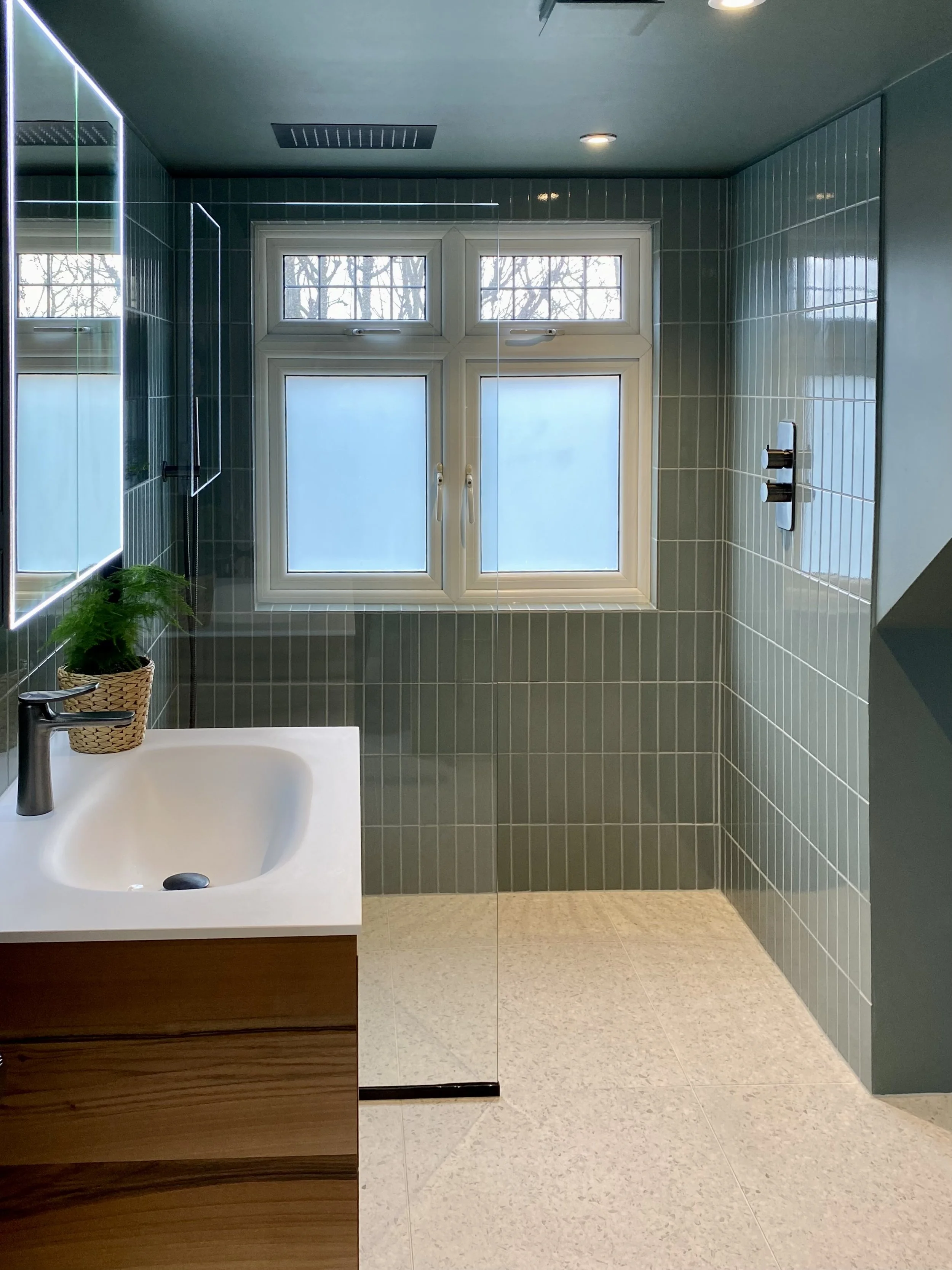
Shower controls are a practical element, yet their position is often treated as an afterthought.
Good design considers:
Can you turn the shower on without getting wet?
Are the controls easy to reach from the entrance?
Do multiple users need separate controls (e.g. overhead and hand shower)?
Careful positioning improves daily comfort and avoids awkward, splashy moments. A small decision with a big impact on how the space is used.
Radiators as design elements
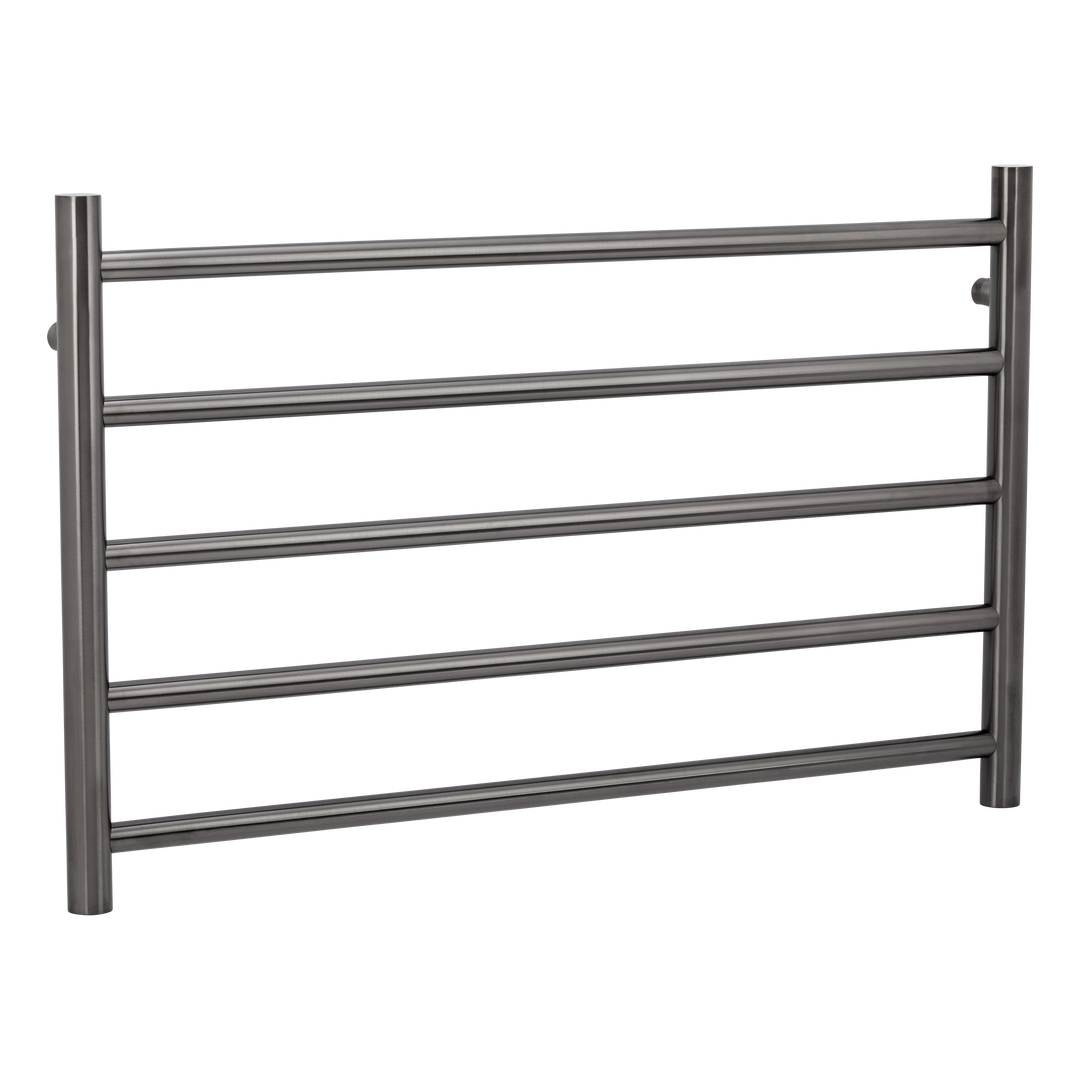
Bathrooms need warmth and often a place to hang wet towels, but heating doesn’t have to compromise the look of the space.
A well-chosen designer radiator with slim, spaced slats can work beautifully as a feature in its own right, adding rhythm and texture while remaining visually light.
For ultimate luxury and visual calm, plastered-in radiators are worth considering. Concealed behind the wall finish, they provide heat without interrupting the architecture of the room, allowing tiles, joinery and lighting to take centre stage.
Sensor-operated LED lighting under the sink
Motion-sensor LED strips beneath a vanity unit provide:
Soft guidance at night
A subtle floating effect during the day
No need for switches or harsh overhead light
It’s a small luxury that feels incredibly intuitive once you’ve lived with it.
Hidden storage
Bathrooms work best when clutter is kept out of sight. Recessed cabinets, mirrored storage and concealed drawers within vanity units allow everyday items to be stored discreetly, keeping surfaces calm and minimal. Hidden storage supports a sense of order, essential in a space we use at both the start and end of each day.
Underfloor heating
Underfloor heating is often seen as an indulgence, but it’s one of the most transformative bathroom features. It improves comfort underfoot and helps tiles dry faster. If you’re renovating, it’s absolutely worth considering.
Silent extractor fans
Ventilation is essential in a bathroom, but noise should never be part of the experience. A silent or low-noise extractor fan makes a huge difference to how calm a bathroom feels, especially in homes where bathrooms are used early in the morning or late at night. The best systems are barely perceptible when running, yet highly effective at controlling humidity and preventing condensation and mould. It’s a detail that’s rarely visible, but immediately felt.
Demister heating pads for mirrors (anti-fog)
Fogged-up mirrors are one of those daily annoyances that good design can eliminate.
Integrated demister heating pads, installed behind mirrors, keep surfaces clear even after long, hot showers. No wiping or waiting, just instant usability. They’re discreet, energy-efficient and particularly valuable in busy family bathrooms.
A small upgrade that quietly improves everyday routines.
Tile positioning and alignment
Tile placement is just as important as the tile choice itself.
Thoughtful decisions around:
pattern selection and the effect it creates (for example, vertical layouts to enhance height, or herringbone for a more traditional feel)
where tile lines start and stop
alignment with sanitaryware, doors and other architectural features
whether tiles wrap continuously around corners
…can make a great visual impact.
These decisions are best made early in the design process, ideally before tiles are ordered, to ensure the space feels intentional.
Grout colour and thickness
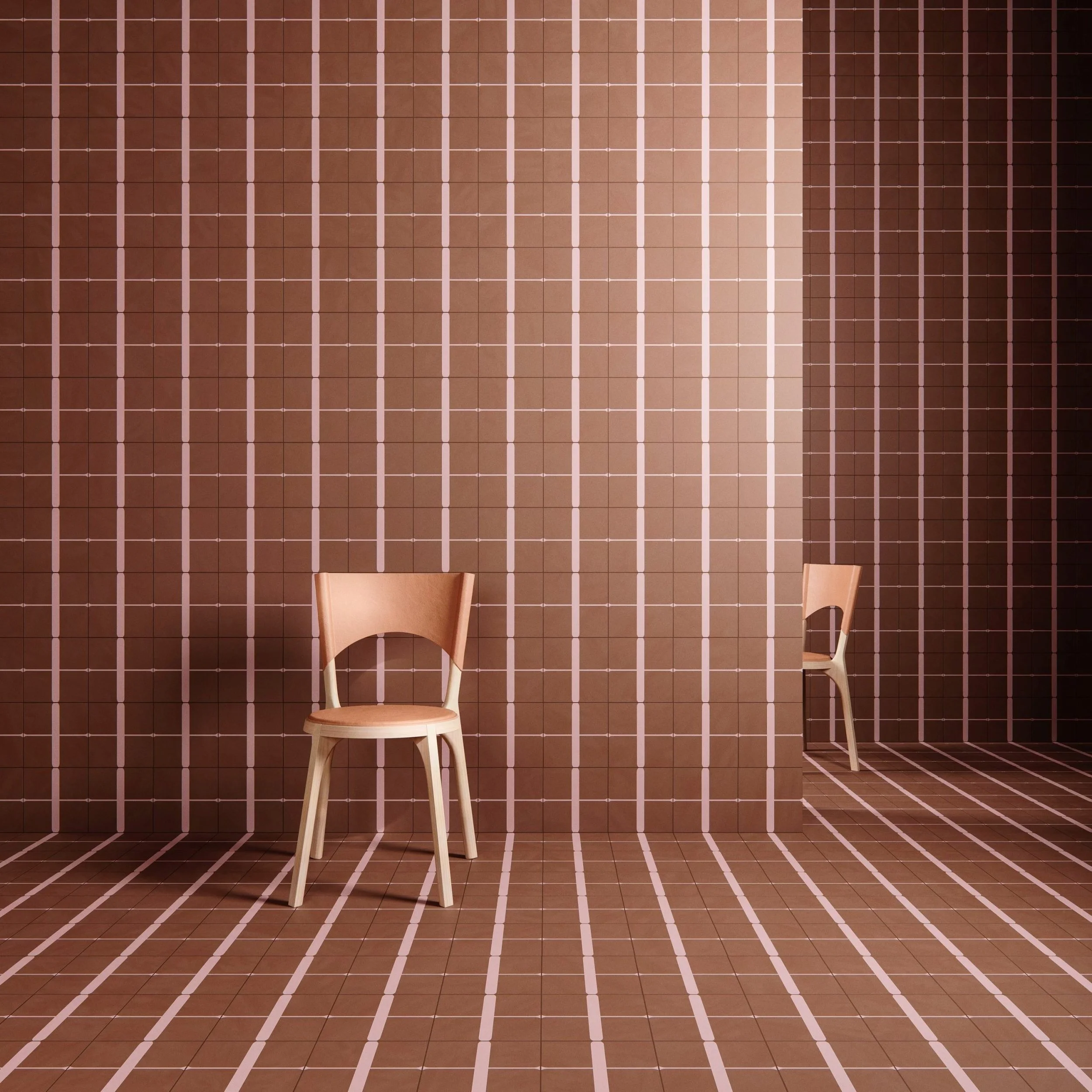
Grout should never be an afterthought.
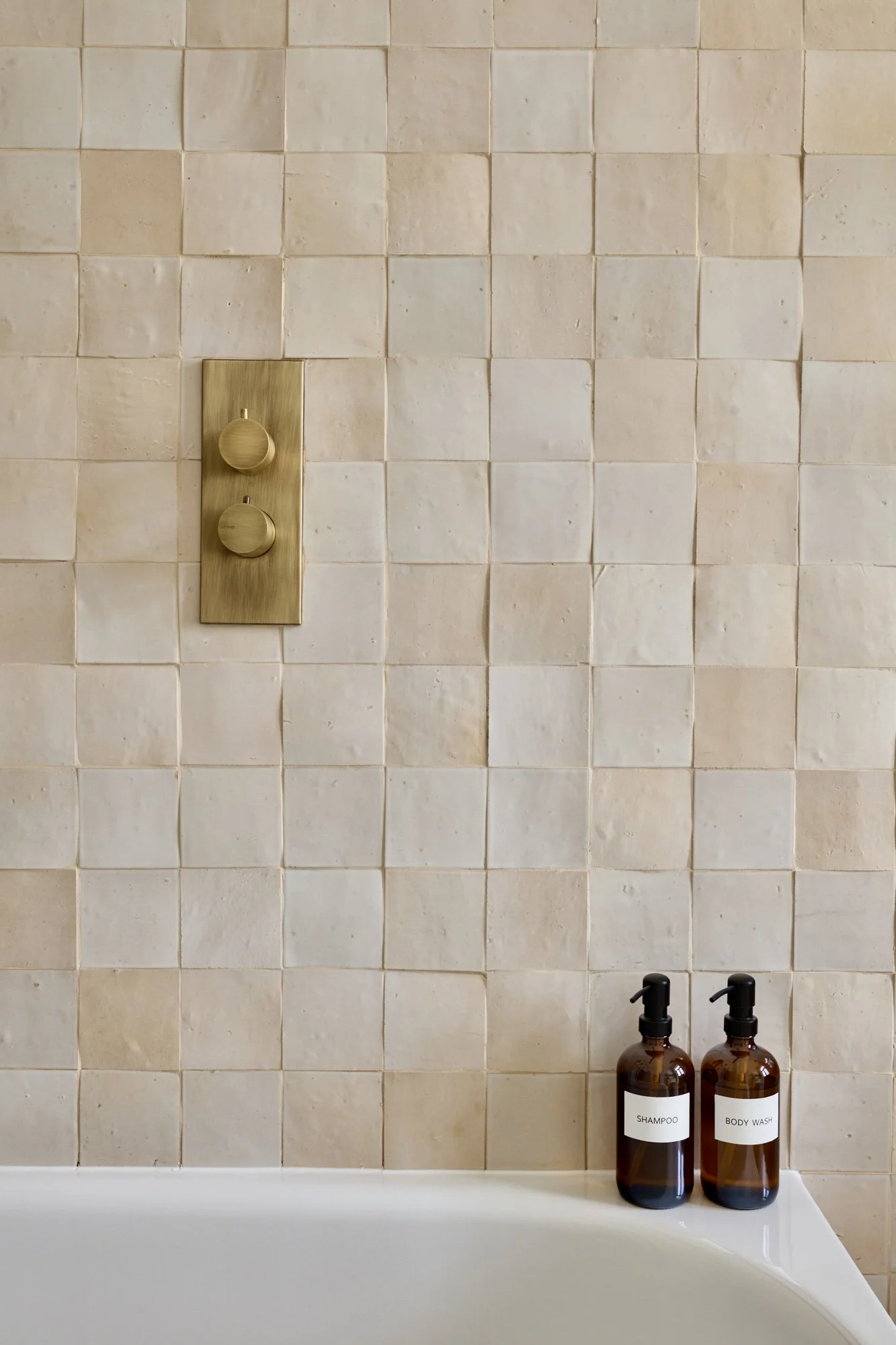
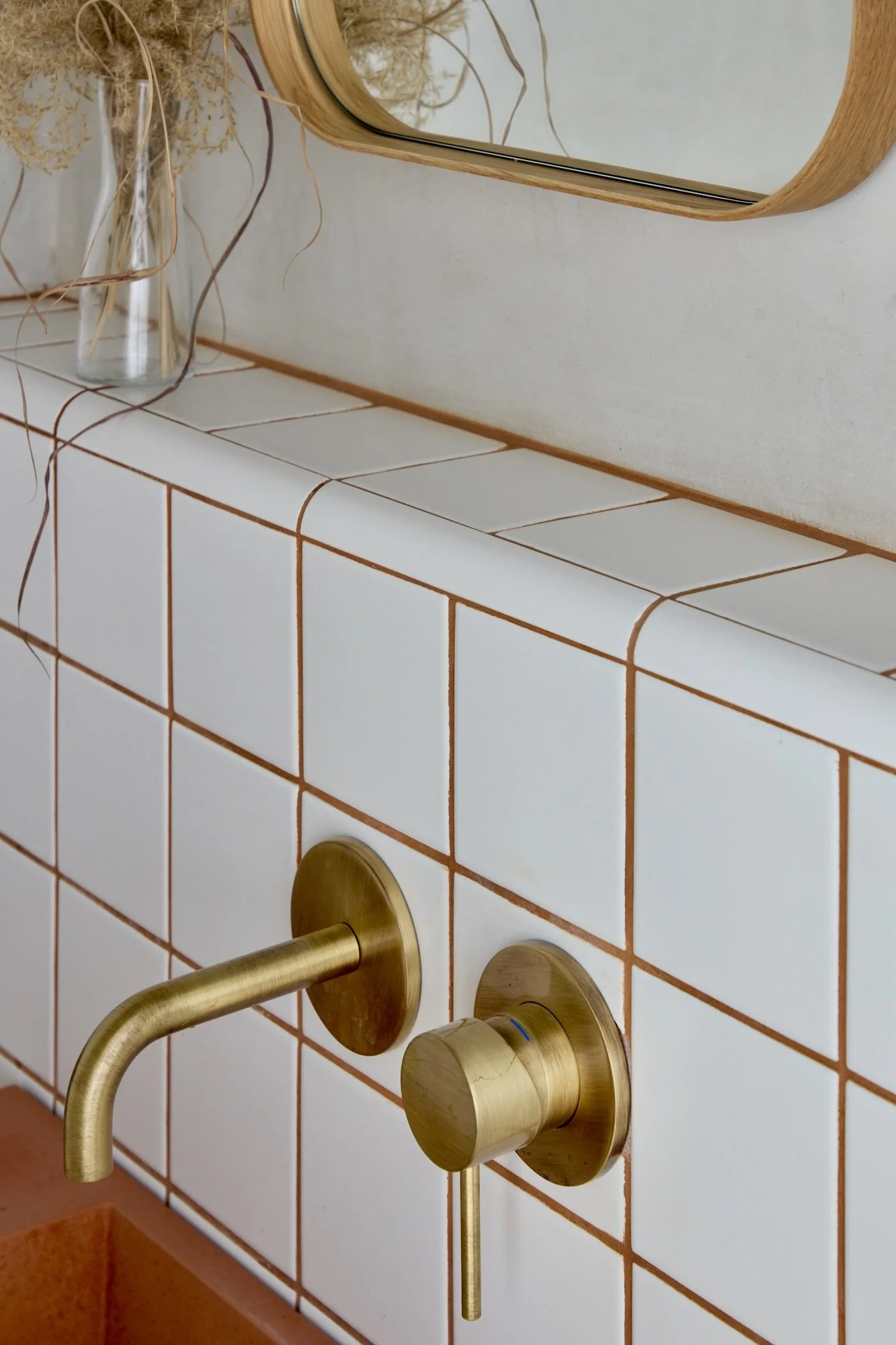
Matching grout colour to tiles creates a soft, seamless look. Contrasting grout can work beautifully too but only when done intentionally. The wrong grout colour can visually fragment a space and make even beautiful tiles feel busy.
Grout line thickness is equally important - wider joints place emphasis on individual tiles, while slimmer joints create greater visual continuity.
Subtle mixing of metals
Metal finishes play a powerful role in the overall feel of a bathroom, but restraint is key.
Subtly mixing metals, rather than matching everything perfectly, allows a space to feel layered, relaxed and intentional. A dominant finish for tapware, complemented by a secondary metal for accessories or lighting, creates visual interest without overwhelming the room.
This approach also helps solve very practical challenges, such as coordinating finishes across different suppliers - something I explored in more detail in Part 1 of this Bathroom Design Series, focused on choosing metal finishes.
When done thoughtfully, mixing metals doesn’t feel busy; it adds depth and longevity to the design.
Final thoughts
By paying attention to these details early in the design process, you can create a bathroom that feels calm, intuitive and considered.
In the next post in this series, I’ll be sharing my thoughts on tile combinations and how to balance pattern, scale and material for timeless results.