
Bathroom Design Series - Part 1: Choosing Metal Finishes
Choosing metal finishes in a bathroom is one of the most fundamental design decisions you’ll make. More than almost any other element, it sets the tone for the space - influencing the overall style, atmosphere and even how the bathroom will age and be lived in over time.
This is not a comprehensive review of every possible metal finish available. Instead, I’m sharing the finishes I regularly use in my bathroom designs, the ones I trust, understand well and feel confident recommending to clients.
Beyond the look: think of maintenance
While metal finishes are often chosen for their aesthetic appeal, maintenance and care should play an equally important role in the decision-making process.
Specialist finishes such as brass, bronze, copper or brushed black (often referred to as gunmetal) require more careful upkeep. These finishes are typically sensitive to harsh cleaning products (no bleach or strong chemicals) which can make day-to-day cleaning more challenging. They also tend to show limescale and water marks more easily and often require more frequent, gentle cleaning to keep them looking good.
In addition, many of these finishes are designed to develop a patina over time. For some, this ageing process adds character and depth; for others, it can feel untidy or unpredictable. It’s important to be honest about whether that evolving look aligns with your expectations and lifestyle.
Hard water? Invest in a water softener
If you live in a hard water area (much of London and the South East included), this is one of the most important and often overlooked considerations when designing a bathroom.
Hard water accelerates limescale build-up, which not only affects how your bathroom looks, but also how long your fittings last. Even the most beautiful tapware will struggle to age well without protection.
My advice is simple: invest in a water softener if you can.
It will:
protect metal finishes and sanitaryware
significantly reduce limescale staining
make cleaning easier
extend the lifespan of taps, showers and appliances
It’s not the most glamorous part of a bathroom budget, but it’s one of the smartest long-term investments you can make - especially if you’re opting for specialist metal finishes.
Playing it safe: timeless and low-maintenance options
If longevity and ease of maintenance are priorities, these finishes are always strong choices:
Brushed nickel – a warmer, softer alternative to chrome and one of my personal favourites
High-quality matt black – contemporary and versatile when well specified
Stainless steel – understated, durable and extremely practical
These finishes are generally easier to clean, more forgiving in everyday use and more consistent across different brands.
Going bolder: characterful and expressive finishes
For those looking to make more of a statement, specialist finishes can bring warmth and personality:
Brass (aged, brushed)
Bronze
Copper
Gunmetal / brushed black
Used thoughtfully, these metals can add depth, richness and a sense of individuality to a bathroom. They work particularly well in spaces where atmosphere and character are as important as function - but they do require a more considered approach to care and coordination.
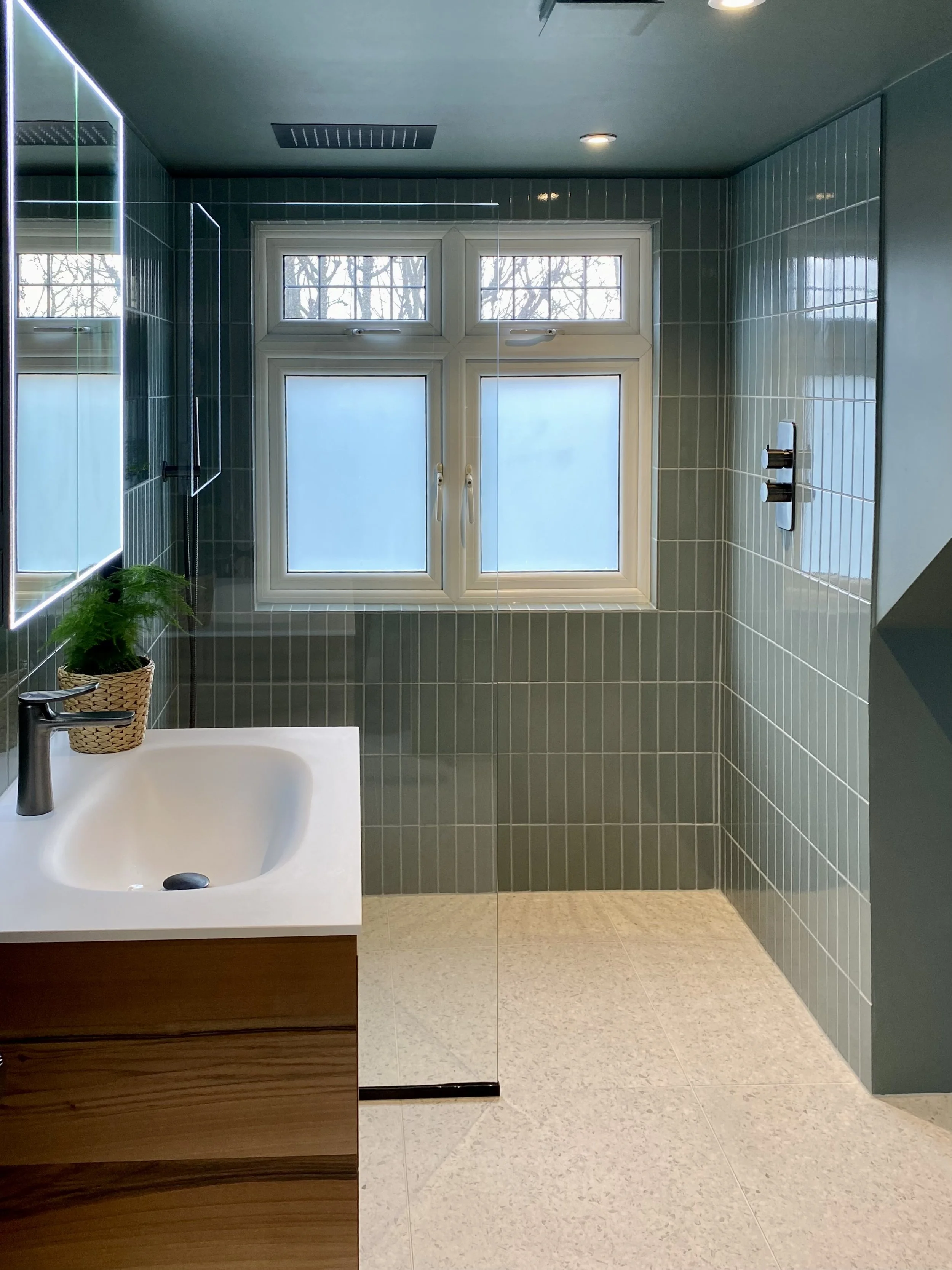
Contemporary bathroom in West Dulwich with brushed black shower head and controls, basin mixer and matt black shower enclosure and accessories. Clean, minimal look.
Consistency across the home
When designing multiple bathrooms within the same home, I often recommend using the same tapware finish across bathrooms, particularly within the same floor. This creates a sense of cohesion and visual continuity, even if the bathrooms themselves differ in size, layout or colour palette.
Consistency doesn’t mean repetition everywhere but anchoring the design with a shared finish helps the house feel calm and intentional.
Mixing metals: practical, thoughtful and intentional
Mixing metals in a bathroom isn’t just a design choice - it’s often a practical necessity.
If you’ve ever tried to source a shower screen with bronze edging that perfectly matches a bronze tap, you’ll know how difficult (and expensive) this can be. Specialist finishes vary widely between brands, and unless everything is bespoke, achieving a perfect match is almost impossible.
This is where mixing metals becomes both a solution and a design opportunity.
How to mix metals successfully:
Choose a dominant metal for the main elements (shower fittings, basin taps)
Introduce a contrasting metal for secondary elements such as lighting, handles or accessories
Use a neutral finish where needed to bridge gaps between brands
Play with contrast:
Polished vs matt
Warm metals (brass, bronze, copper) vs cool metals (chrome, nickel)
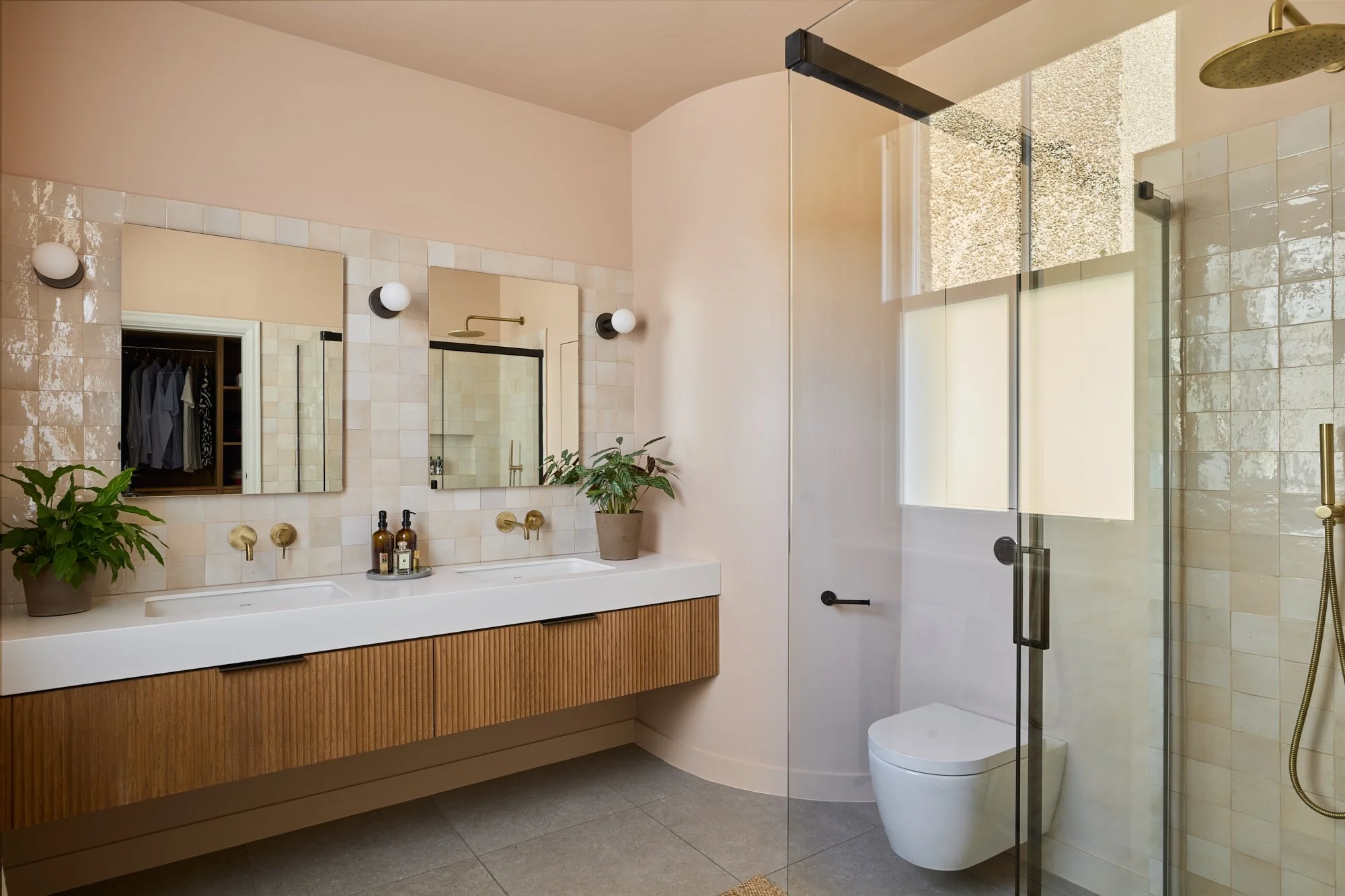
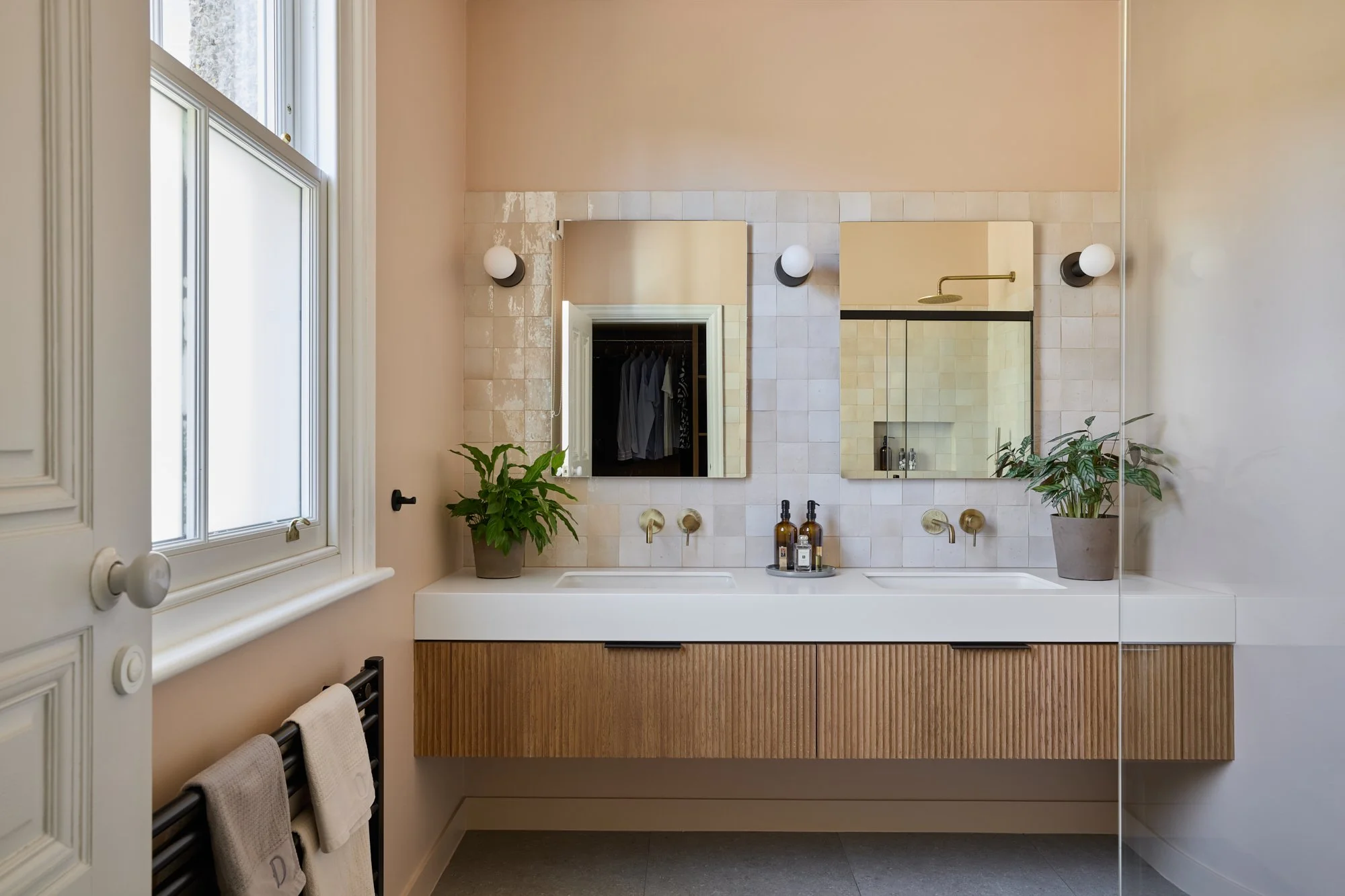
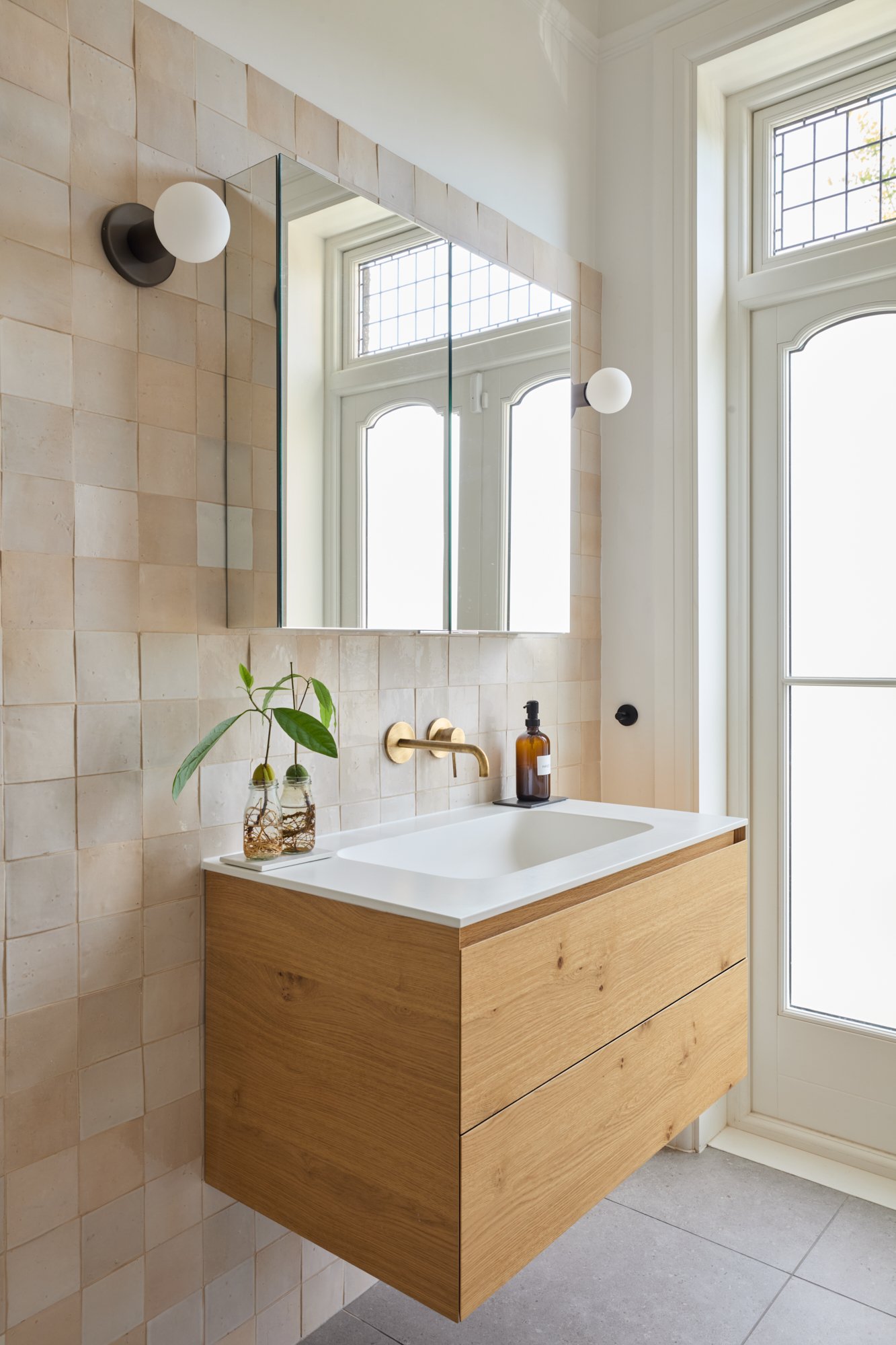
Contemporary bathroom in Dulwich Village with:
- Aged brass shower head and hand shower, basin mixers
- Black shower enclosure (matt), lighting (anthracite) and accessories (matt)
- Smoked bronze cabinetry handles
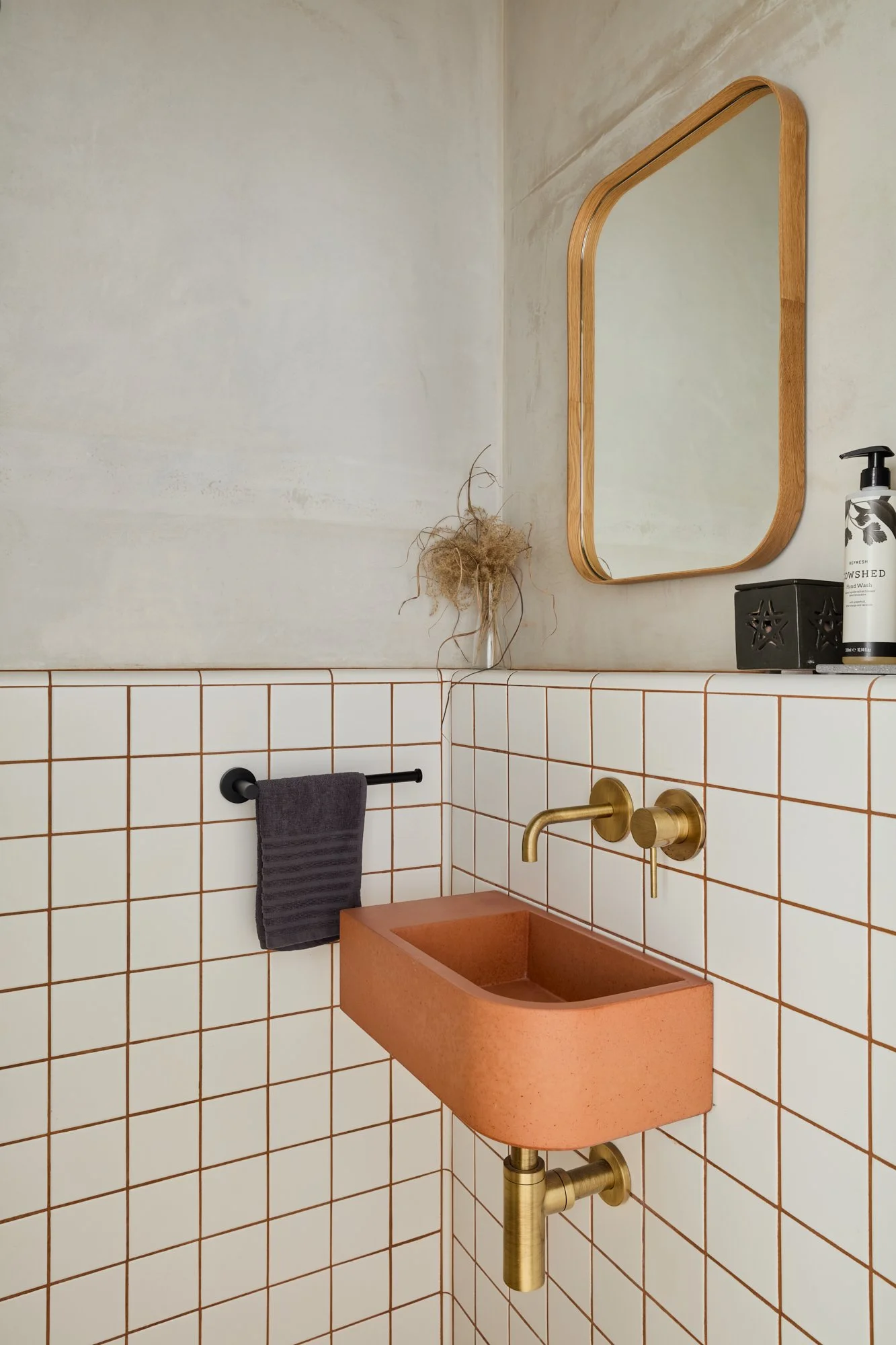
The result feels layered, intentional and cohesive, without the stress of forcing exact matches across suppliers.
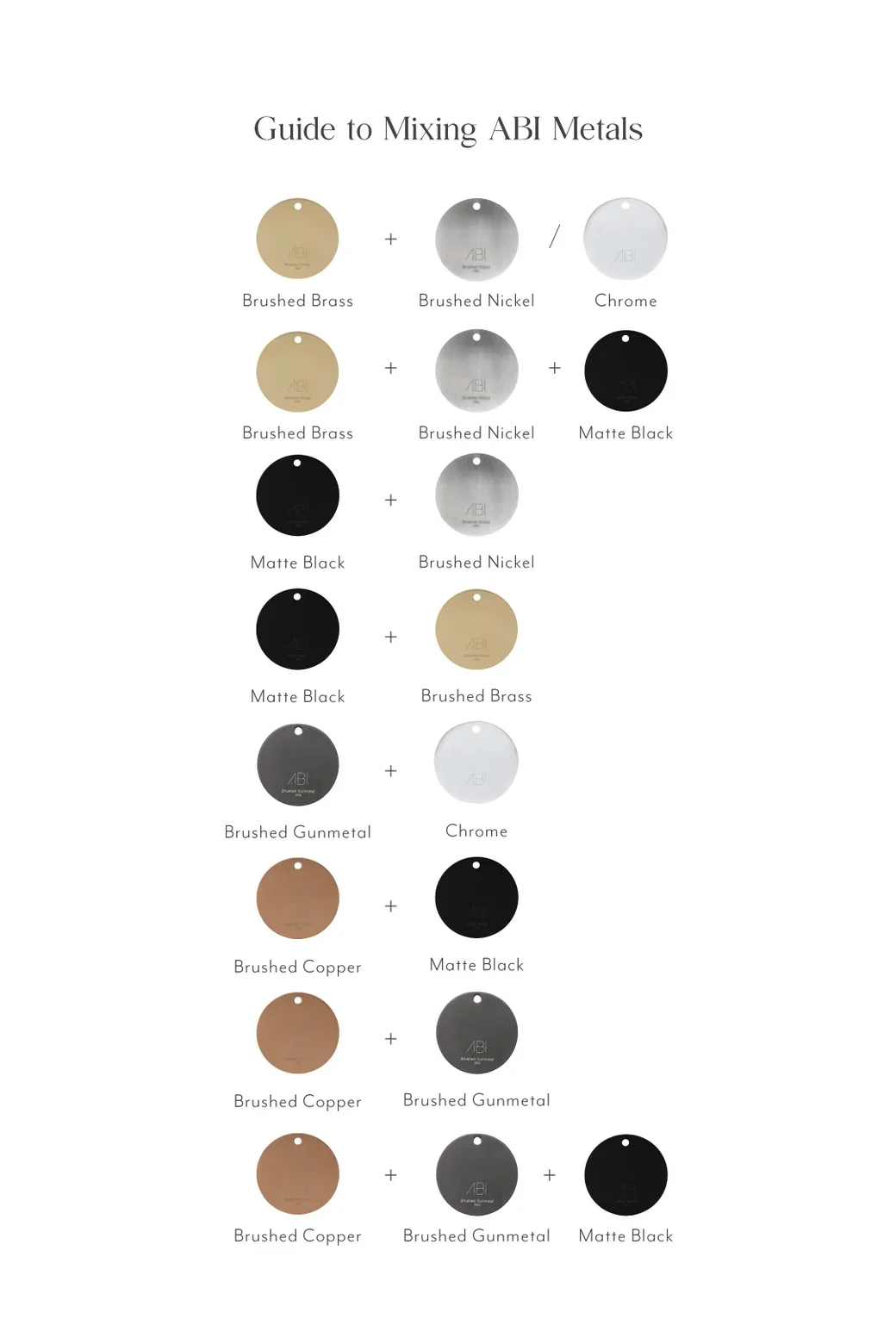
Practical guide to mixing metals, image credit and finishes by ABI Interiors.
Final thoughts
Metal finishes may seem like a small detail, but in bathroom design they carry significant visual and practical weight. Considering maintenance, water quality, consistency and how finishes interact will make a real difference to how your bathroom looks and performs over time.
Coming next in the Bathroom Design Series
In the next posts, I’ll be exploring:
Tile combinations - how to mix sizes, finishes and patterns with confidence
Bathroom details that make a difference - the small decisions that quietly elevate a space